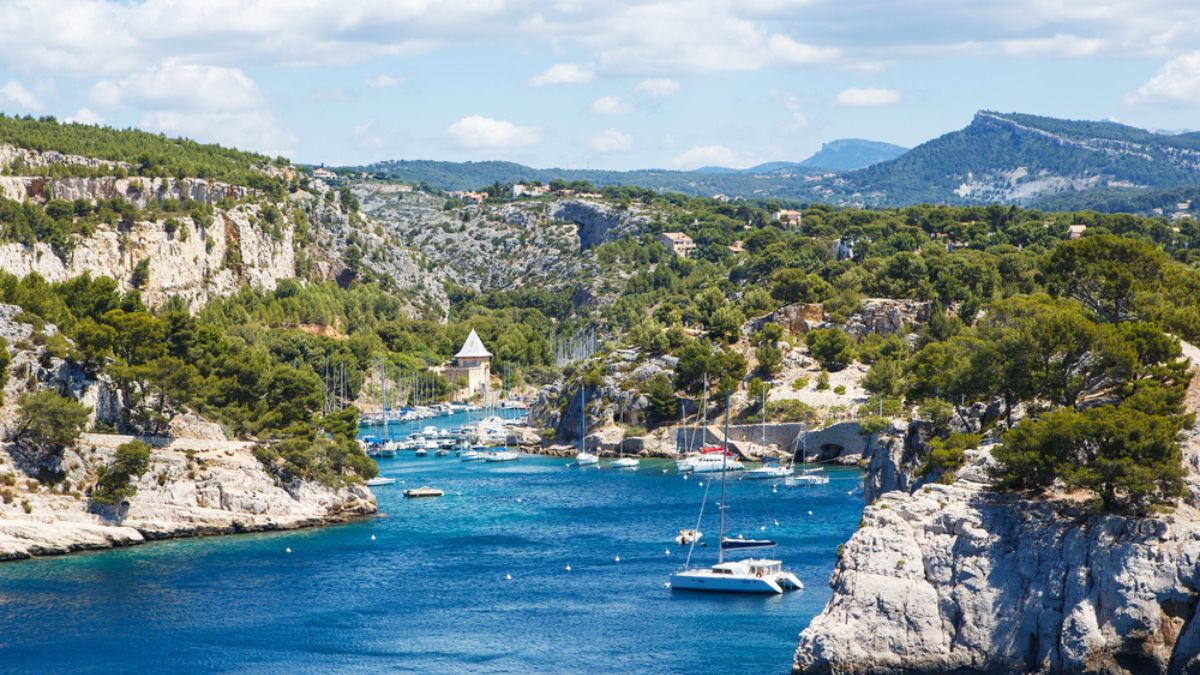
Cassis is a picturesque fishing port on the Mediterranean coast of Provence, about 20 kilometres east of Marseille. It is famous for its Calanques, a series of dramatic limestone inlets with turquoise water, for its crisp white wine, and for the towering Cap Canaille cliff that rises behind the town. You can reach it from Marseille in around 30 minutes by car or train, which makes it one of the most rewarding day trips or short stays on the Provençal coast.
This guide covers where Cassis is, how to explore the calanques, the best things to do, when to visit and how to get there.
Where is Cassis?
Cassis sits on the Mediterranean in the Bouches-du-Rhône department of Provence, tucked between the city of Marseille to the west and the seaside town of La Ciotat to the east. It lies at the eastern edge of the Calanques National Park, France’s only national park that borders a major city, and beneath Cap Canaille, one of the highest sea cliffs in France at around 394 metres. Despite being so close to Marseille, Cassis keeps the feel of a traditional Provençal port, with pastel houses, a working harbour and a relaxed pace.
What are the Calanques of Cassis?
The calanques are the reason many people visit. These are narrow, steep-sided inlets carved into white limestone, filled with startlingly clear turquoise water, strung along the coast between Cassis and Marseille. Three are within easy reach of Cassis, each with its own character.
| Calanque | How to reach it | Best for |
|---|---|---|
| Port-Miou | 20-minute walk from the port | The closest, a long narrow inlet used as a marina |
| Port-Pin | 45-minute walk or short boat trip | A small pine-fringed beach, good for a first swim |
| En-Vau | 1.5-hour hike or boat trip | The most spectacular, with white cliffs and a tiny beach |
You can experience the calanques in three main ways. A boat tour from the port of Cassis is the easiest, with trips of 45 minutes to over an hour taking in three, five, eight or more calanques. Hiking lets you reach the beaches and swim, though the trails are rocky and exposed, so wear proper shoes and carry plenty of water. Kayaking or paddleboarding is a wonderful way to explore the water at your own pace.
One important point to plan around: in the height of summer, the National Park often restricts or closes the calanque hiking trails because of wildfire risk, typically in July and August. Access is decided day by day depending on conditions, so always check the official park status before setting out, and consider visiting by boat or kayak instead during those months.
Things to do in Cassis
Beyond the calanques, Cassis rewards a slower kind of exploring.
Wander the port and old town
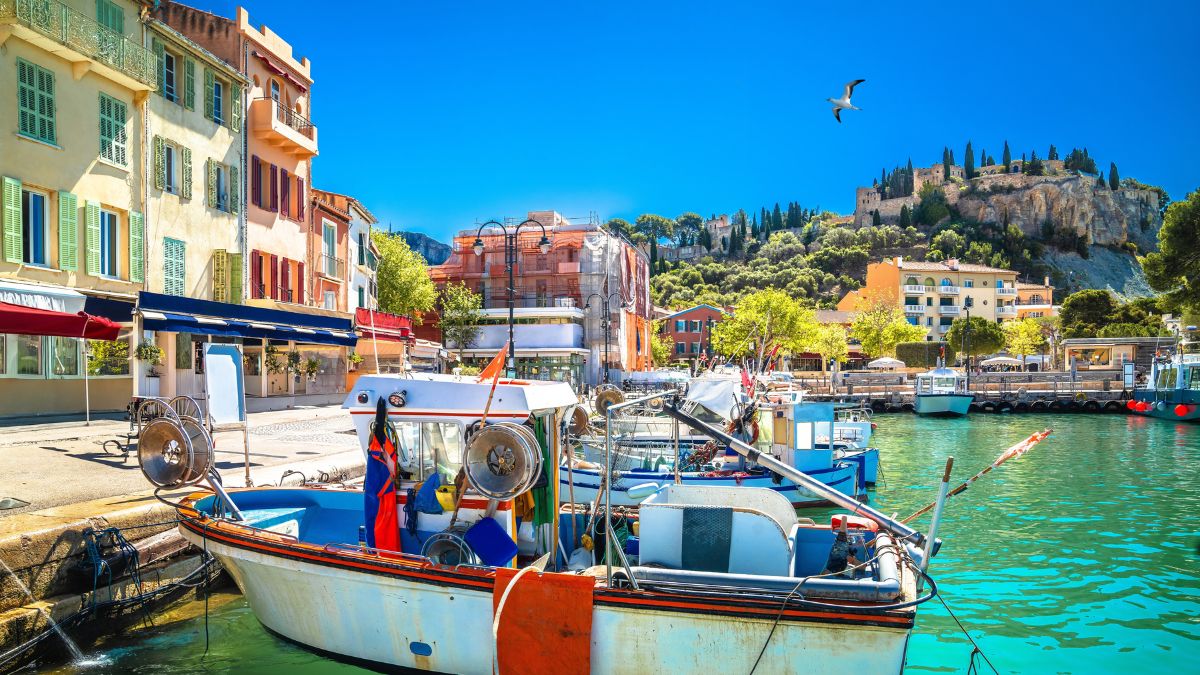
The heart of Cassis is its harbour, lined with cafes and seafood restaurants where the local catch and the town’s white wine are the stars. The narrow streets behind the port are made for aimless wandering, with small shops, a Friday and Wednesday market, and views back to the fishing boats.
Drive the Route des Crêtes
For one of the most dramatic coastal drives in France, take the Route des Crêtes along the top of Cap Canaille between Cassis and La Ciotat. The road climbs to clifftop viewpoints that look straight down to the sea far below and back over the whole bay of Cassis. It is spectacular at any time, and especially at sunset.
Relax on the beaches
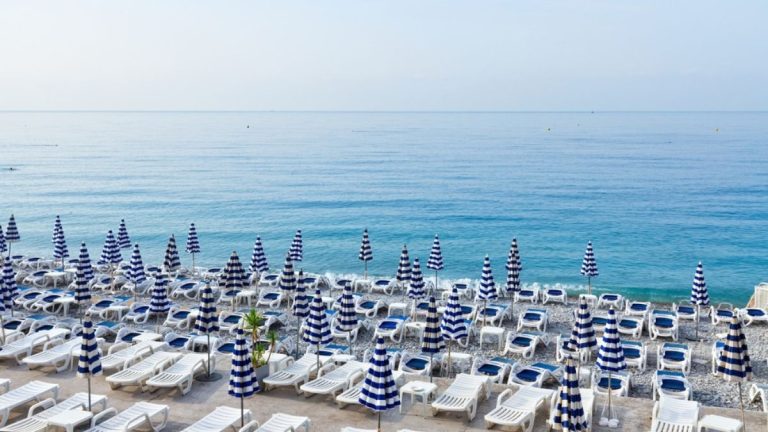
Cassis has several small beaches close to the centre. The Plage de la Grande Mer is the main town beach, a mix of sand and shingle right by the port, while the Plage du Bestouan is a pretty cove a short walk away. For a wider pick of beaches along the coast, see our guide to the best beaches in the South of France.
Taste the wine of Cassis
Cassis is one of the oldest wine appellations in France and is best known for its elegant, mineral dry white wines, made largely from Marsanne and Clairette grapes. Several estates around the town offer tastings, and a chilled glass of Cassis white with fresh seafood by the port is a quintessential Provençal moment.
How to get to Cassis
Cassis is very accessible, which is part of its appeal.
- By car: around 30 minutes from Marseille on the A50, or roughly 45 minutes from Aix-en-Provence. Note that the town centre is largely pedestrian in summer, with paid car parks on the edge of town.
- By train: regular services from Marseille reach Cassis station, though the station is about 3 kilometres from the centre, so you will need the shuttle bus, a taxi or a short onward journey.
- By air: the nearest airport is Marseille Provence. See our guide to airports in the South of France to plan your arrival.
When is the best time to visit Cassis?
Cassis is at its best from May to October. Late spring and early autumn offer warm weather, calm seas and quieter streets, while July and August are hot and busy and bring the calanque trail restrictions mentioned above. June and September are a particularly good balance of warm water and fewer crowds. Winter is quiet and many visitor services slow down, but the town and the Cap Canaille drive remain beautiful.
Where to stay near Cassis
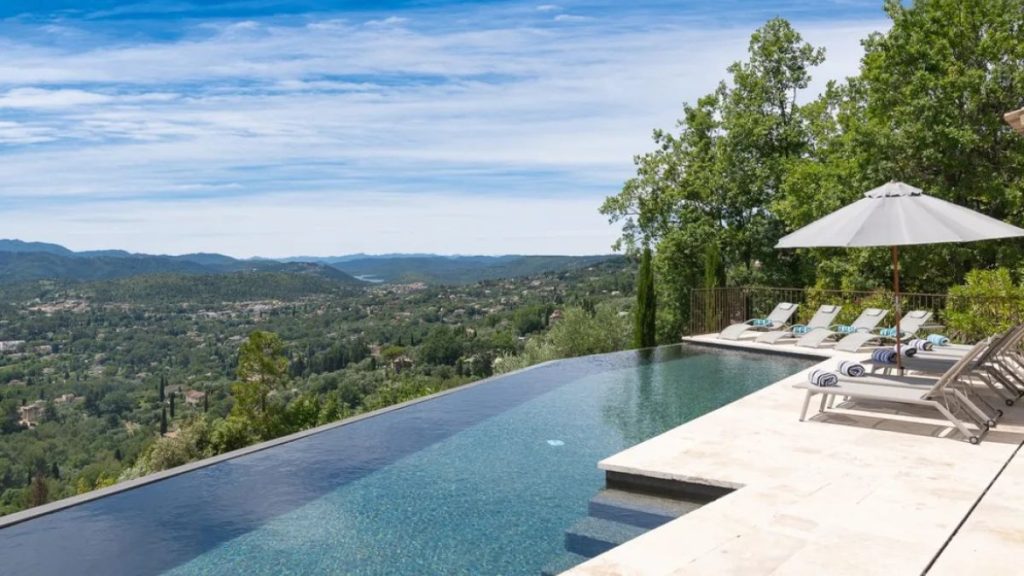
Cassis itself is small, so many visitors base themselves in the wider Provence countryside or along the coast and treat the town as a highlight of their trip. A villa with a private pool gives you a calm retreat after a day on the water. Explore our villas across Provence and around Aix-en-Provence, browse our villas with private pools or our beach collection, and use our South of France area guide to get your bearings.
A short history of Cassis
People have lived at Cassis since antiquity, drawn by its sheltered harbour and the fresh water of the Couronne stream. For centuries it was a modest fishing and trading port, exporting its stone and, later, its wine. The pale limestone quarried from the cliffs around Cassis was prized across the Mediterranean and was even used, it is said, in grand projects abroad. In the 20th century the town’s light and colours drew painters such as Derain, Dufy and Matisse, and today fishing and tourism sit side by side with one of the oldest wine appellations in France. That long, layered past is part of why Cassis feels like a real Provencal town rather than a purpose-built resort.
Day trips from Cassis
Cassis is perfectly placed for exploring this stretch of the coast and the countryside behind it.
- La Ciotat: just along the Route des Crêtes, a larger seaside town with a working shipyard, a pretty old port and the beach where, legend has it, the game of pétanque was born.
- Marseille and the Calanques National Park: France’s second city is half an hour away, with its vibrant old port, museums and its own calanques to the west.
- Bandol and the wine coast: a little further east, the Bandol appellation produces some of Provence’s finest reds and rosés, with tastings among the vines.
- Aix-en-Provence: around 45 minutes inland, an elegant city of fountains, markets and cafe terraces, ideal for a change of pace from the coast.
Discover our Most Popular Collections
Practical tips for visiting Cassis
- Arrive early in summer: both to find parking and to beat the crowds to the calanques and beaches.
- Wear proper shoes for the calanque trails: which are rocky and uneven, and carry plenty of water.
- Check the park’s fire risk status before any summer hike: as trails close day by day in July and August.
- Book boat trips at the port on arrival: or in advance in peak season, and choose the length by how many calanques you want to see.
- Leave time for the Route des Crêtes: ideally at sunset, for the most memorable views of the whole trip.
Where to eat in Cassis
Cassis is a wonderful place to eat, and the port is the heart of it. The town is known for its seafood, from sea urchins in winter to grilled fish, mussels and the Marseille classic bouillabaisse, almost always paired with a chilled glass of the local Cassis white wine. The restaurants lining the harbour are the obvious choice for a long lunch with a view of the fishing boats, while the streets just behind the port hide smaller, often better-value bistros favoured by locals. For a picnic on the calanque beaches, pick up bread, cheese, olives and fruit from the town market, held on Wednesday and Friday mornings. Booking ahead is wise in July and August, when the port restaurants fill quickly in the evenings.
Cassis at a glance
| Detail | Information |
|---|---|
| Location | Mediterranean coast of Provence, 20 km east of Marseille |
| Nearest airport | Marseille Provence |
| Famous for | The calanques, Cap Canaille, dry white wine |
| Best for | Boat trips, swimming, scenic drives, seafood |
| Best months | May, June, September and October |
Frequently asked questions
Cassis is on the Mediterranean coast of Provence, in the Bouches-du-Rhône department, about 20 kilometres east of Marseille and at the eastern edge of the Calanques National Park.
Explore the calanques by boat, kayak or on foot, wander the port and old town, drive the clifftop Route des Crêtes over Cap Canaille, relax on the town beaches, and taste the local Cassis white wine.
Drive from Marseille in about 30 minutes on the A50, or take the train to Cassis station and continue by shuttle or taxi, as the station is around 3 kilometres from the centre. The nearest airport is Marseille Provence.
Yes. Port-Pin and En-Vau both have small beaches where you can swim in clear water. Reach them on foot or by boat, and check the park’s trail status in summer, when hiking access is often restricted for fire safety.
Yes. Cassis combines a charming Provençal port, the dramatic calanques, one of France’s highest sea cliffs and its own wine appellation, all within easy reach of Marseille, making it one of the most rewarding spots on the coast.
May, June, September and October offer warm weather and calmer crowds. July and August are hottest and busiest, with calanque trails often closed for fire risk, so boat or kayak trips are the best way to see them then.