The best places to visit in the South of France include the French Riviera glamour of Nice, Cannes and Saint-Tropez, the Provençal charm of Aix-en-Provence, the Luberon villages and Avignon, and the Languedoc highlights of Carcassonne, Montpellier and the Canal du Midi. Where you go depends on whether you are drawn to beaches, hilltop villages, culture or wine country, and the good news is that you can combine several in one trip.
This is a curated tour of the region’s standout destinations, grouped by area, followed by practical advice on how to plan your visit. For a full overview of the whole coast, see our in-depth South of France area guide, which this article complements.
The French Riviera (Côte d’Azur)
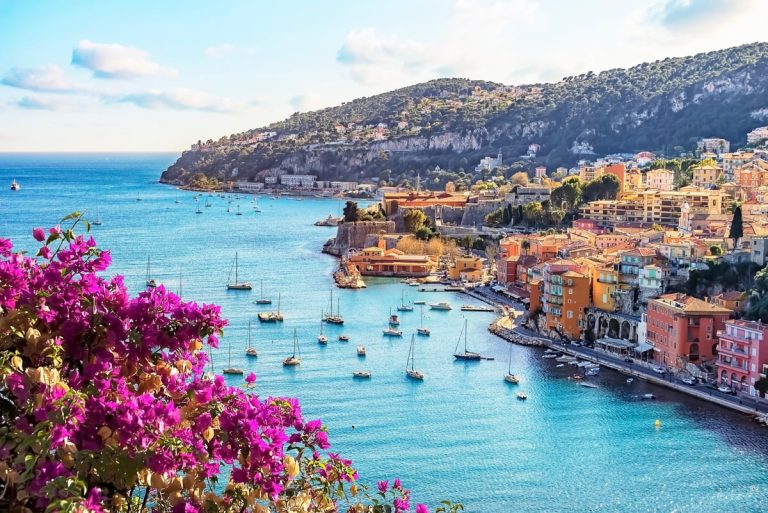
The eastern part of France’s Mediterranean coast is the most famous part of the South of France, a string of glamorous towns and perched villages between the mountains and the sea.
Nice
The capital of the Riviera blends a beautiful seafront promenade, a colourful old town, excellent markets and world-class museums. It is the ideal base for exploring the coast, well connected and lively year-round.
Cannes and Antibes
Cannes is synonymous with film-festival glamour, sandy beaches and designer shopping, while nearby Antibes offers a charming old town, a superb Picasso museum and the millionaires’ peninsula of Cap d’Antibes. Together they make an easy, elegant pairing.
Saint-Tropez
Still the byword for Riviera chic, Saint-Tropez rewards visitors with a pretty port, a lovely old town and the legendary sands of Pampelonne. It is busiest in summer, but the setting and atmosphere are unmistakable.
Èze and the perched villages
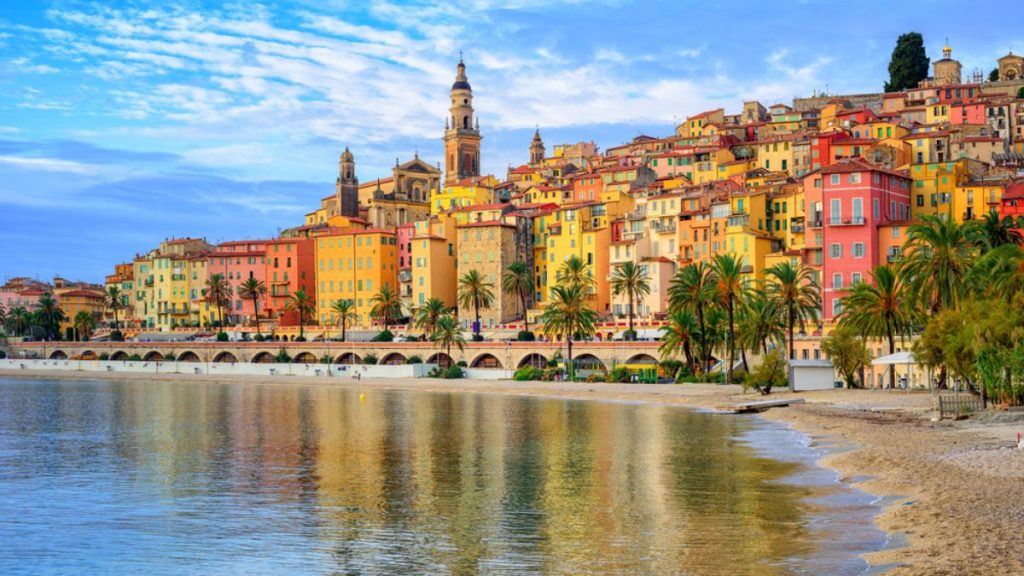
For a change of pace, the medieval hilltop village of Èze delivers cobbled lanes, an exotic garden and breathtaking sea views. It is one of the most scenic short trips on the coast: read our full guide to Èze village for how to get there and what to see. Menton, near the Italian border, adds citrus gardens and a gentle, sunny microclimate.
Discover more of this coast in our Côte d’Azur collection.
Provence
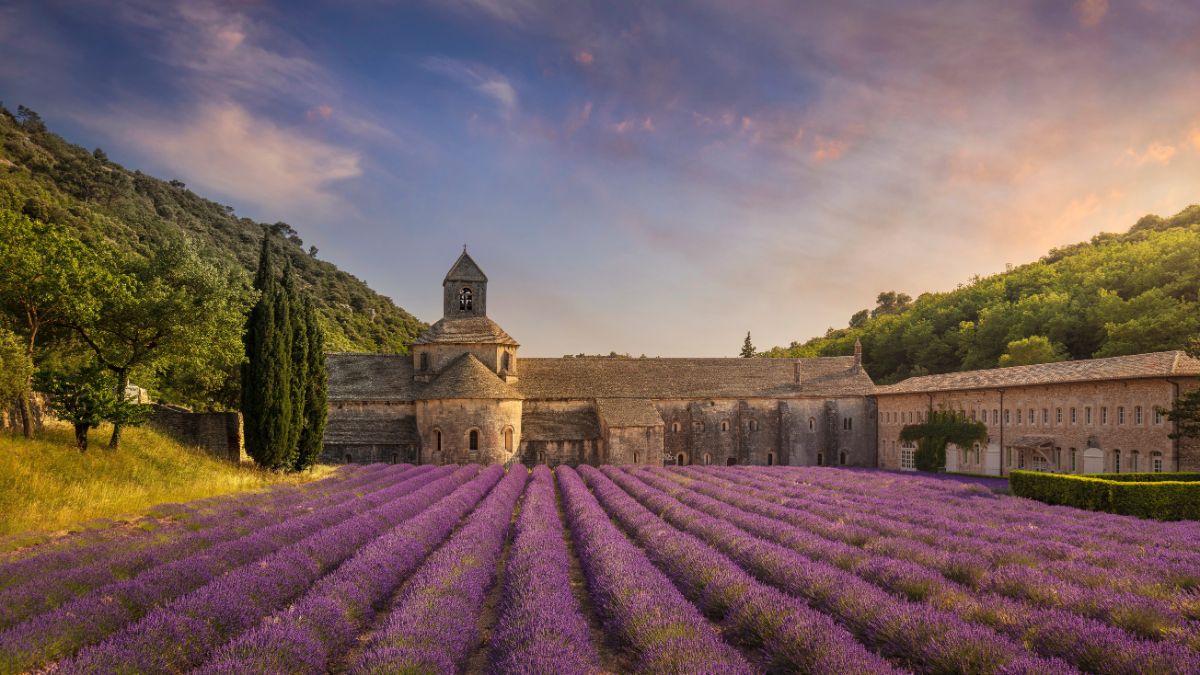
The central part of France’s Mediterranean coast, and more inland, Provence trades coastal glamour for lavender fields, Roman history and some of the prettiest villages in France.
Aix-en-Provence
Elegant and cultured, Aix is a city of leafy boulevards, fountains, markets and cafe terraces, forever associated with the painter Cézanne. It is one of the most enjoyable towns in the whole region to simply stroll and soak up.
Avignon and the Luberon
Avignon, with its mighty Palais des Papes and famous bridge, is the gateway to the Luberon, a range of hills scattered with impossibly photogenic villages such as Gordes, Roussillon with its ochre cliffs, and Ménerbes. This is classic Provence, at its best in early summer when the lavender begins to bloom.
Marseille and the Calanques
France’s vibrant second city offers a historic old port, striking modern architecture and a buzzing food scene, and it is the gateway to the Calanques, a series of dramatic limestone inlets with turquoise water that are among the most beautiful swimming spots in the country.
Arles and the Camargue
On the western edge of Provence, Arles is a wonderfully atmospheric town steeped in Roman history, with an amphitheatre still used for events and a legacy immortalised by Van Gogh, who painted many of his best-known works here. Just south lies the Camargue, a vast, watery delta of lagoons, rice fields and salt flats famous for its pink flamingos, white horses and black bulls, a landscape unlike anywhere else in France and a paradise for birdwatchers and nature lovers.
Explore the wider region in our Provence collection.
Languedoc and Occitanie
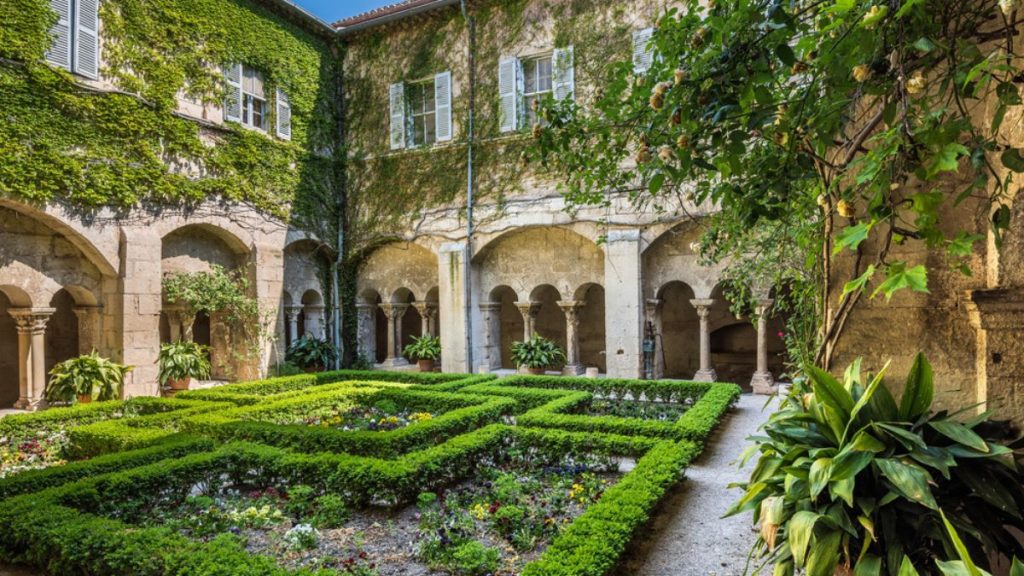
The western part of France’s Mediterranean coast and its hinterland are less crowded, often better value, and full of history, big skies and long sandy beaches.
Carcassonne
The fairytale walled city of Carcassonne is one of the most spectacular sights in the South of France, a fully fortified medieval citadel of turrets and ramparts that looks straight out of a storybook. It is an essential stop for anyone interested in history.
Montpellier and Nîmes
Montpellier is a youthful, sunny university city with a handsome historic centre and easy access to the coast, while Nimes boasts some of the best-preserved Roman monuments in Europe, including its amphitheatre and the nearby Pont du Gard aqueduct.
The Canal du Midi
The tree-lined Canal du Midi, a UNESCO World Heritage Site, drifts through the Languedoc countryside and is wonderful to cycle or cruise.
Uzès
Elegant Uzès and the surrounding villages capture a quieter, less touristy side of the south. This is where Provence and Languedoc overlap, blending into a unique area.
See our Languedoc-Roussillon collection for more.
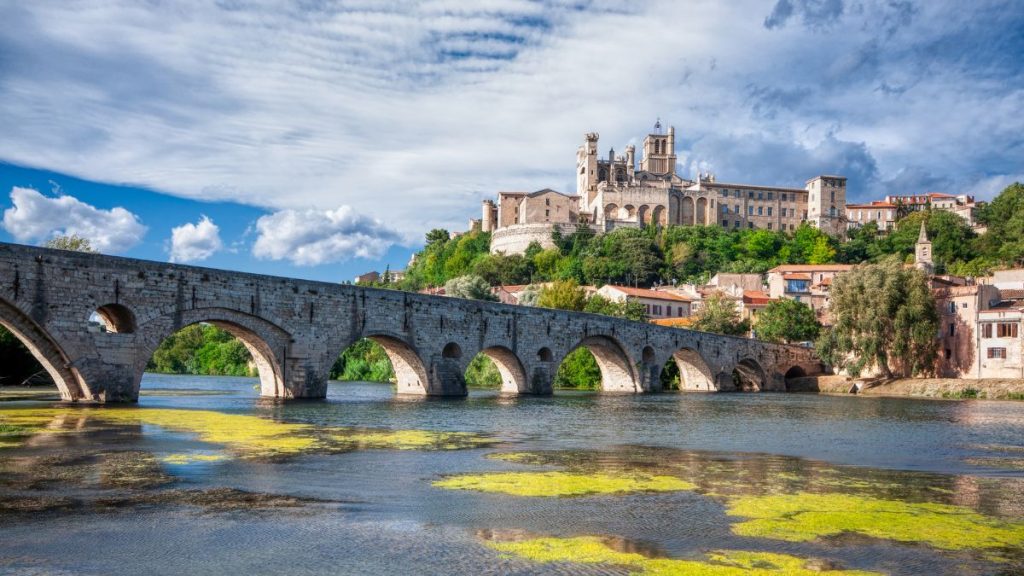
Wine country
The South of France is one of the great wine regions of the world, and touring its vineyards is a highlight in itself.
Provence is the home of pale, crisp rosé, best explored on the estate-lined roads inland from the coast, while the Languedoc is a vast and increasingly celebrated producer of reds, whites and rosés at excellent value. Tastings, cellar-door visits and vineyard lunches are easy to arrange, and a villa set among the vines makes a memorable and relaxed base.
Best places by interest
Not sure where to start? Match your priorities to the region below.
| If you want | Head for |
|---|---|
| Beaches and coastal glamour | The French Riviera: Nice, Cannes, Saint-Tropez |
| Hilltop villages and lavender | The Luberon and inland Provence |
| Roman history and culture | Nîmes, Arles, Avignon, Orange |
| Medieval drama | Carcassonne and the Cathar country |
| Wine and food | Provençal vineyards and the Languedoc |
| Quiet, better value | The western Languedoc and Occitanie |
| Family beach holidays | The Languedoc coast: Cap d’Agde, Valras |
How to plan your trip
Because the South of France is so large, it pays to focus rather than try to see everything. A rough guide by length of stay:
- A long weekend: pick one base, such as Nice for the Riviera or Aix for Provence, and explore locally.
- One week: choose a single region and get to know it well, with day trips from a comfortable villa.
- Two weeks or more: combine two regions, for example the Riviera and Provence, or Provence and the Languedoc, splitting your stay between two properties.
Renting a villa in a central location gives you the freedom to explore at your own pace, with a pool to return to at the end of each day.
Day trips and lesser-known gems
Part of the joy of the South of France is how much lies within an easy drive of wherever you base yourself. From the Riviera, you can slip across the border into Italy for a morning market in Ventimiglia, ride the mountain railway into the Roya valley, or explore the perfumed hilltop town of Grasse. From Provence, the Roman theatre at Orange, the papal wine village of Châteauneuf-du-Pape and the dramatic Gorges du Verdon, often called Europe’s grand canyon, all make superb outings. In the Languedoc, seek out the perched Cathar castles that crown the hills inland, the pretty potters’ town of Pézenas, and the wild uplands of the Cévennes. These lesser-known corners reward anyone willing to venture a little beyond the famous names, and they are often at their best outside the peak summer weeks.
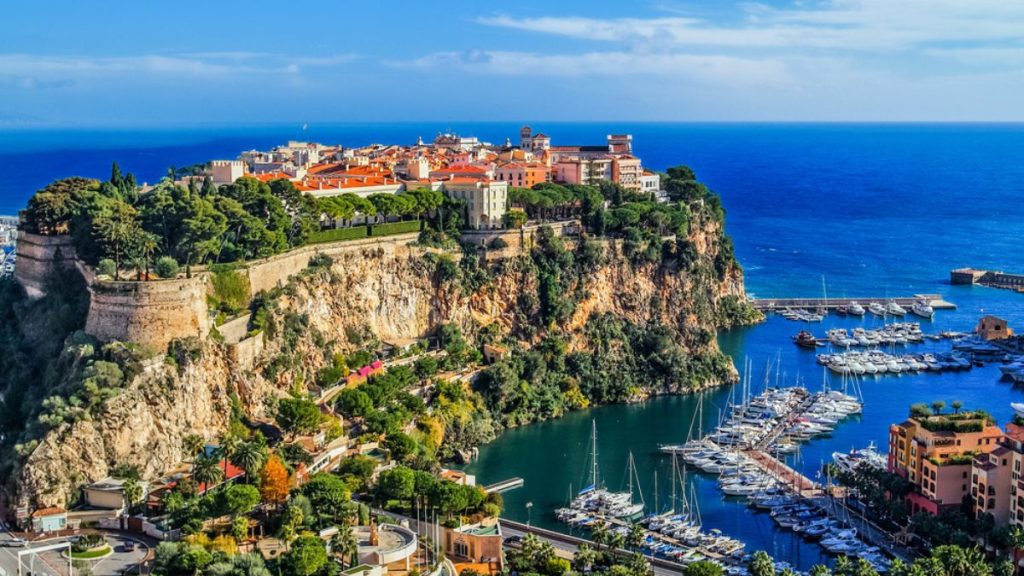
Getting around
A car is by far the best way to explore the South of France, giving you the freedom to reach hilltop villages, vineyards and quiet beaches that public transport does not serve. The coastal rail line linking Marseille, Toulon, Cannes, Nice and Menton is scenic and useful for hopping between the main Riviera towns without parking hassles, and high-speed trains connect the region to the rest of France. For the countryside of Provence and the Languedoc, though, a hire car really comes into its own. Base yourself centrally, plan a mix of near and far days, and you can comfortably combine big sights with slow, leisurely time by the pool.
Food, markets and local life
No visit to the South of France is complete without time spent at its markets and tables. Almost every town holds a weekly market where stalls overflow with local produce, olives, cheeses, herbs, fresh fish and flowers, and browsing one is among the most enjoyable and authentic things you can do here. Provençal cooking leans on olive oil, garlic, tomatoes and herbs, from the fish soups of the coast to the ratatouille and tapenade of the interior, while the Languedoc is the home of hearty cassoulet. Pair the food with the region’s own rosé and you have the essence of a southern French holiday. Timing a trip around a particular market day, or a village food festival, adds a lovely rhythm to a stay.
When to go
Late spring and early autumn (May, June and September) are the sweet spot: warm, sunny and less crowded than peak summer, with lavender in the Luberon around late June and July. For a full month-by-month breakdown, see our guide to weather in the South of France to time your visit around the experiences that matter most to you.
Where to stay
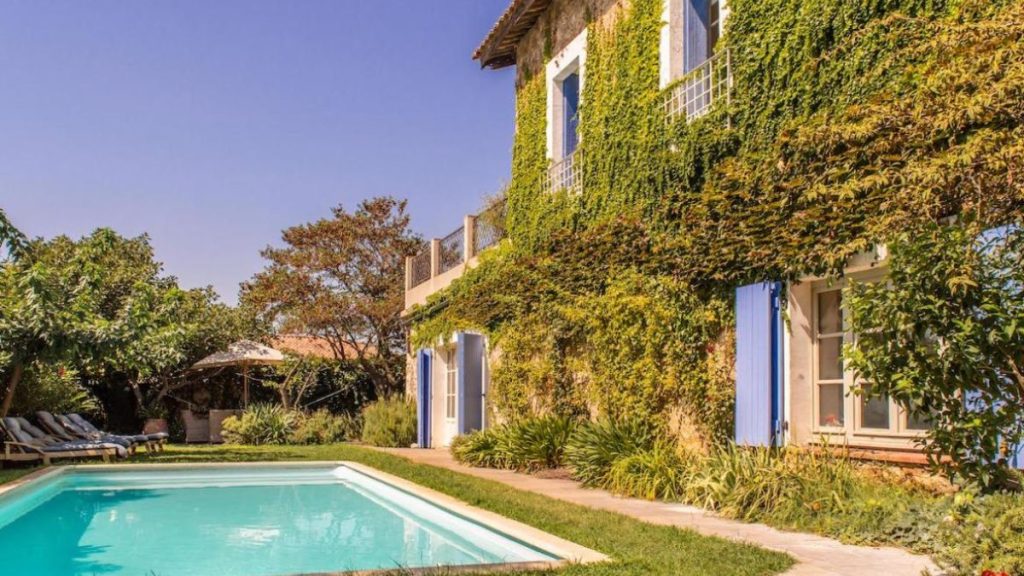
Wherever you choose to explore, a private villa puts you close to the action while keeping the calm of your own space and pool.
Start with our regional collections for the Côte d’Azur, Provence and Languedoc-Roussillon, and use our South of France area guide to get your bearings before you book.
Frequently asked questions
It depends on your taste. The French Riviera around Nice, Cannes and Saint-Tropez is the most glamorous and beach-focused, Provence and the Luberon are best for pretty villages and lavender, and the Languedoc offers history, long sandy beaches and better value. Many visitors combine two regions in one trip.
There are many contenders, but perched villages like Èze and Gordes, the walled city of Carcassonne, and elegant Aix-en-Provence are among the most beautiful. On the coast, Saint-Tropez, Antibes, Collioure and Menton are hard to beat for charm.
A week is enough to enjoy one region well, while two weeks lets you combine two areas, such as the Riviera and Provence. For a first taste, a long weekend based in Nice or Aix-en-Provence works well.
The French Riviera around Nice is the easiest introduction: it is well connected, packed with famous sights and beaches, and makes a convenient base for day trips to Monaco, Cannes, Antibes and the perched villages.
May, June and September offer warm, sunny weather with fewer crowds than July and August. Summer is best for beaches and a warm sea, while spring and autumn are ideal for sightseeing and exploring villages in comfort.